Here is the clean refined version with no long dashes, keeping the intimate first-person tone:
From Village to Town, Back to the Village
Some stories are not only told with words. They are carried in rhythm, in breath, and in memory.
From Village to Town, Back to the Village is one of those stories.
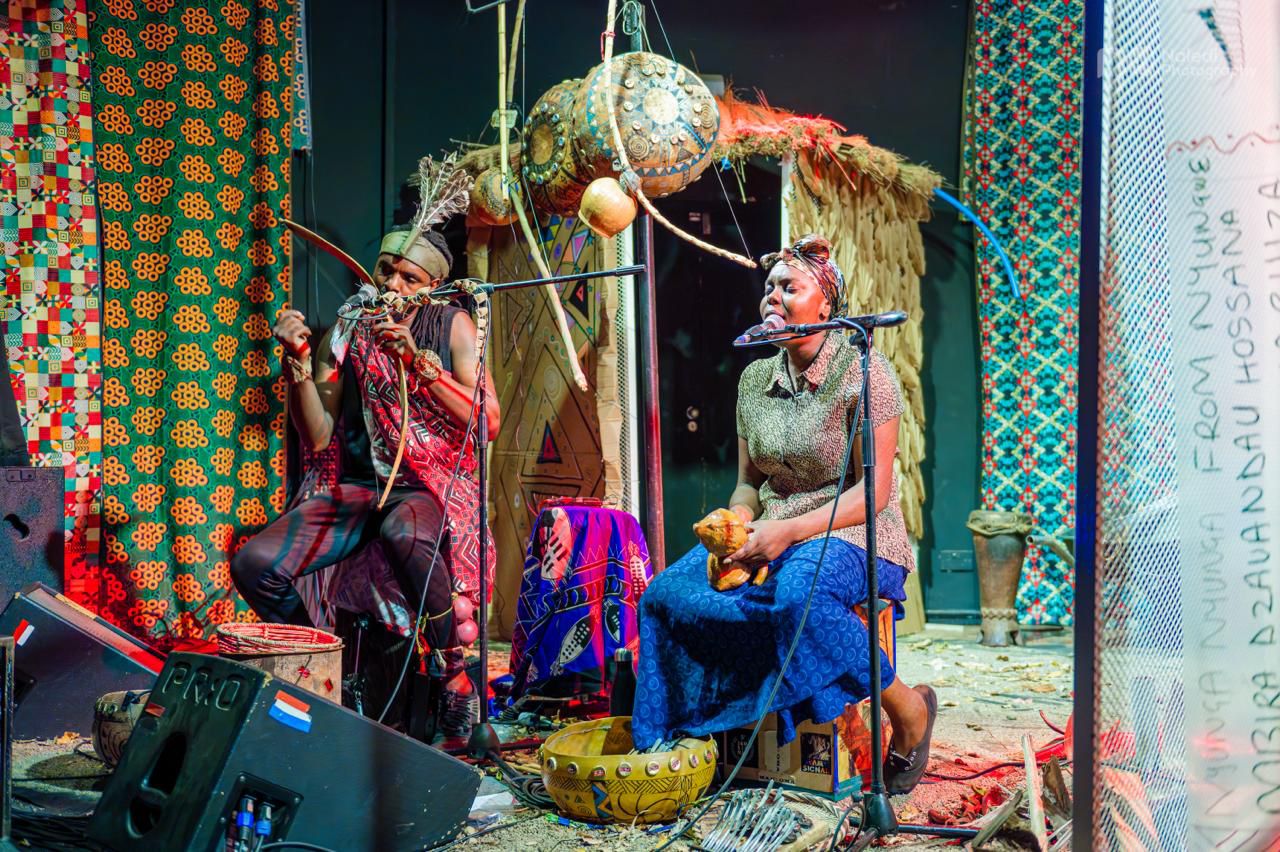
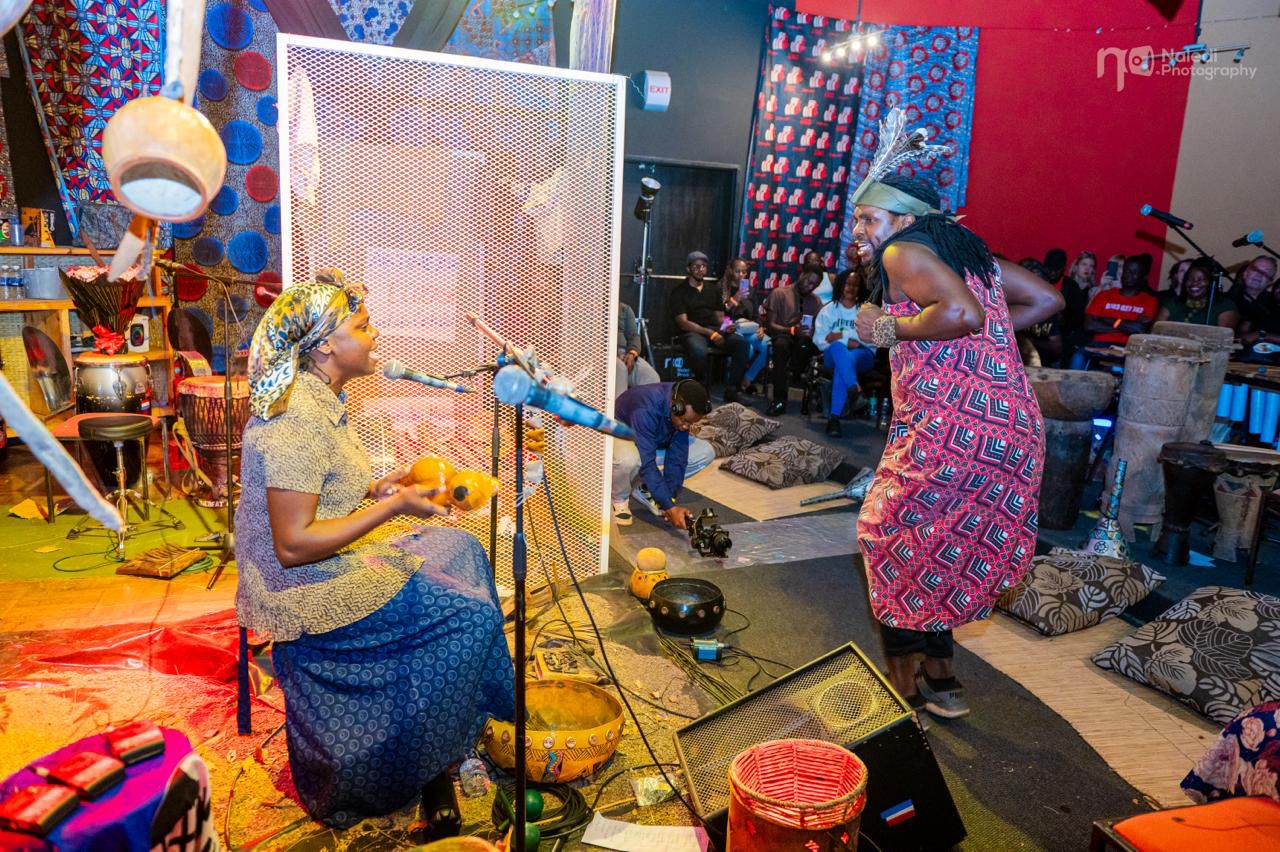
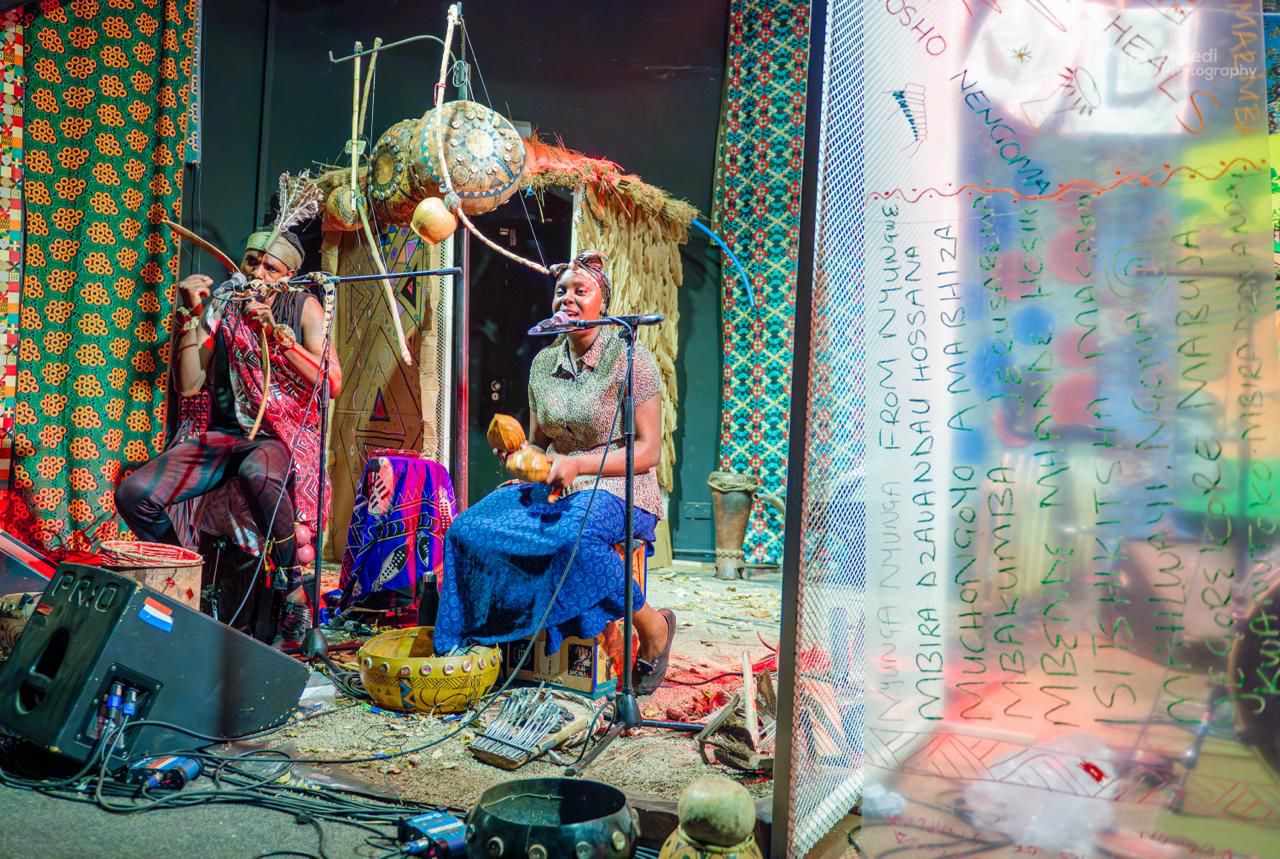
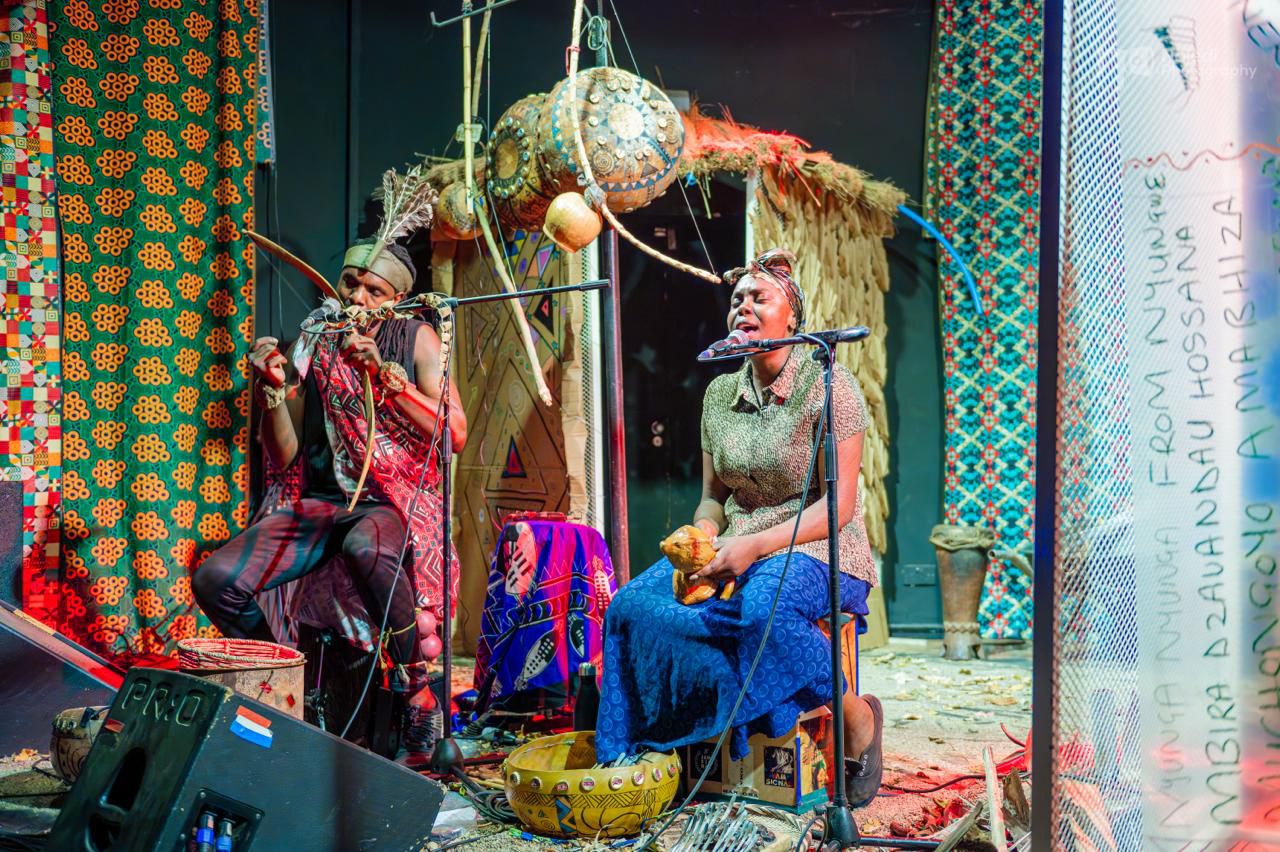
Together with Othnell “Mangoma” Moyo, I began shaping this musical journey as a reflection of a path many of us know deeply. The movement between rural roots and urban life. For many Africans, life unfolds between these two spaces. We are born in the village, shaped by the town, and somewhere along the way we begin to feel the quiet call to return.
This performance is our way of telling that story through sound.
For me, the village represents the oldest voices I know. Music passed down through generations. Rhythms that carry memory, spirituality, and communal life. These sounds existed long before disruption, long before colonisation and modernisation interrupted the natural flow of cultural transmission. They remind us who we were before the world tried to rename us.
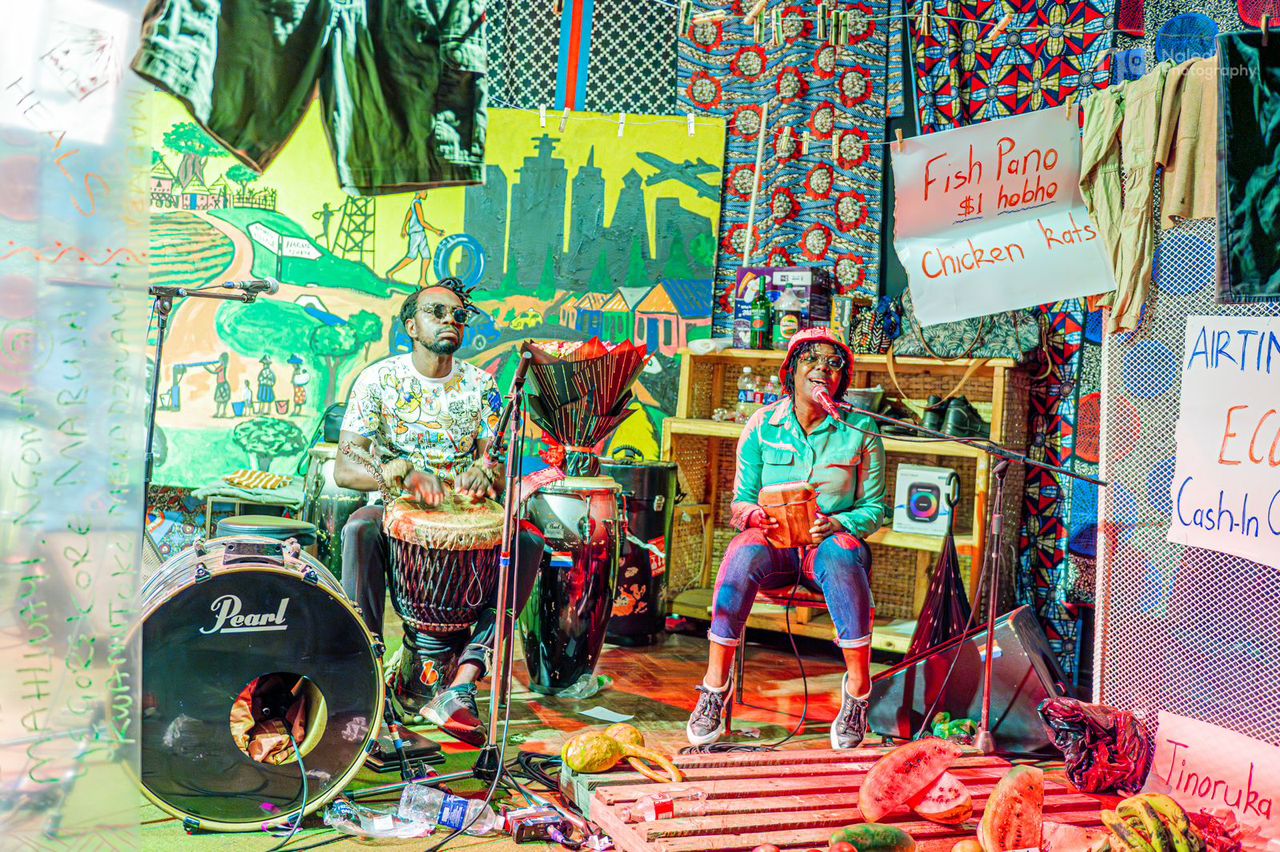
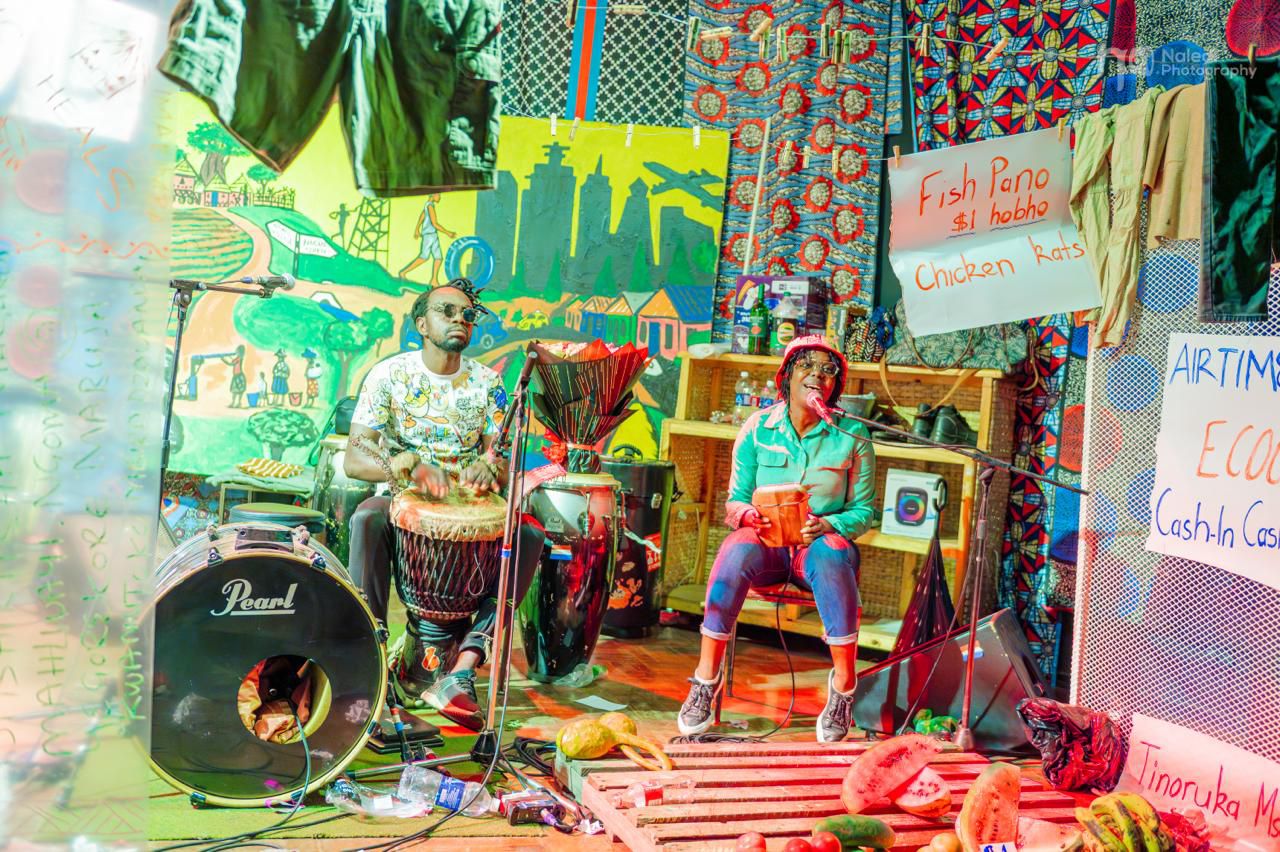
The town carries a different rhythm. It is movement, adaptation, and survival. It is where cultures meet and evolve. Traditional sound begins to dance with jazz, funk, salsa, and the township rhythms that shaped places like Bulawayo in the late 1990s and early 2000s. The town does not erase culture. It transforms it.
Then comes the realisation that the journey often circles back.
Going back to the village is not simply returning to a physical place. It is a conscious reconnection with heritage. With the instruments, stories, and histories that were once pushed to the margins. It is about remembering.
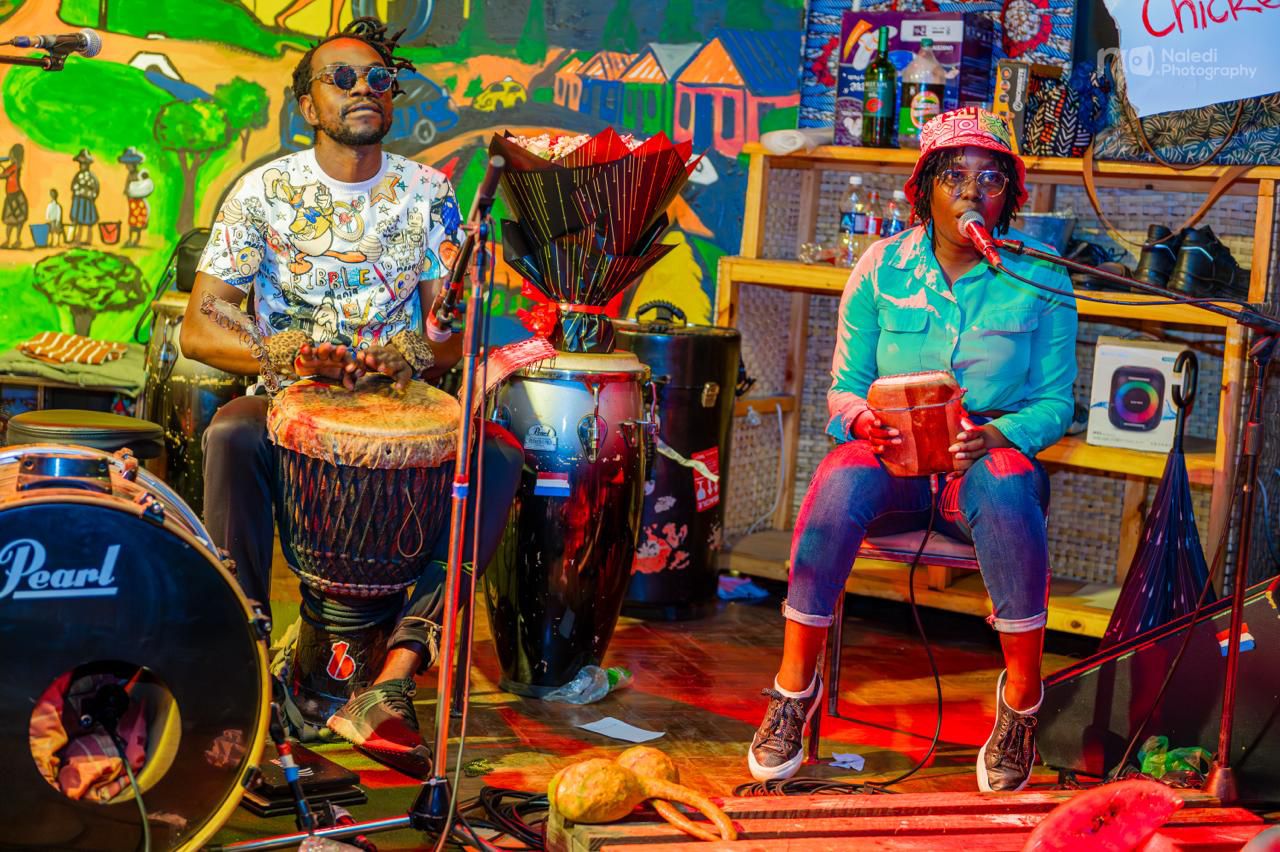
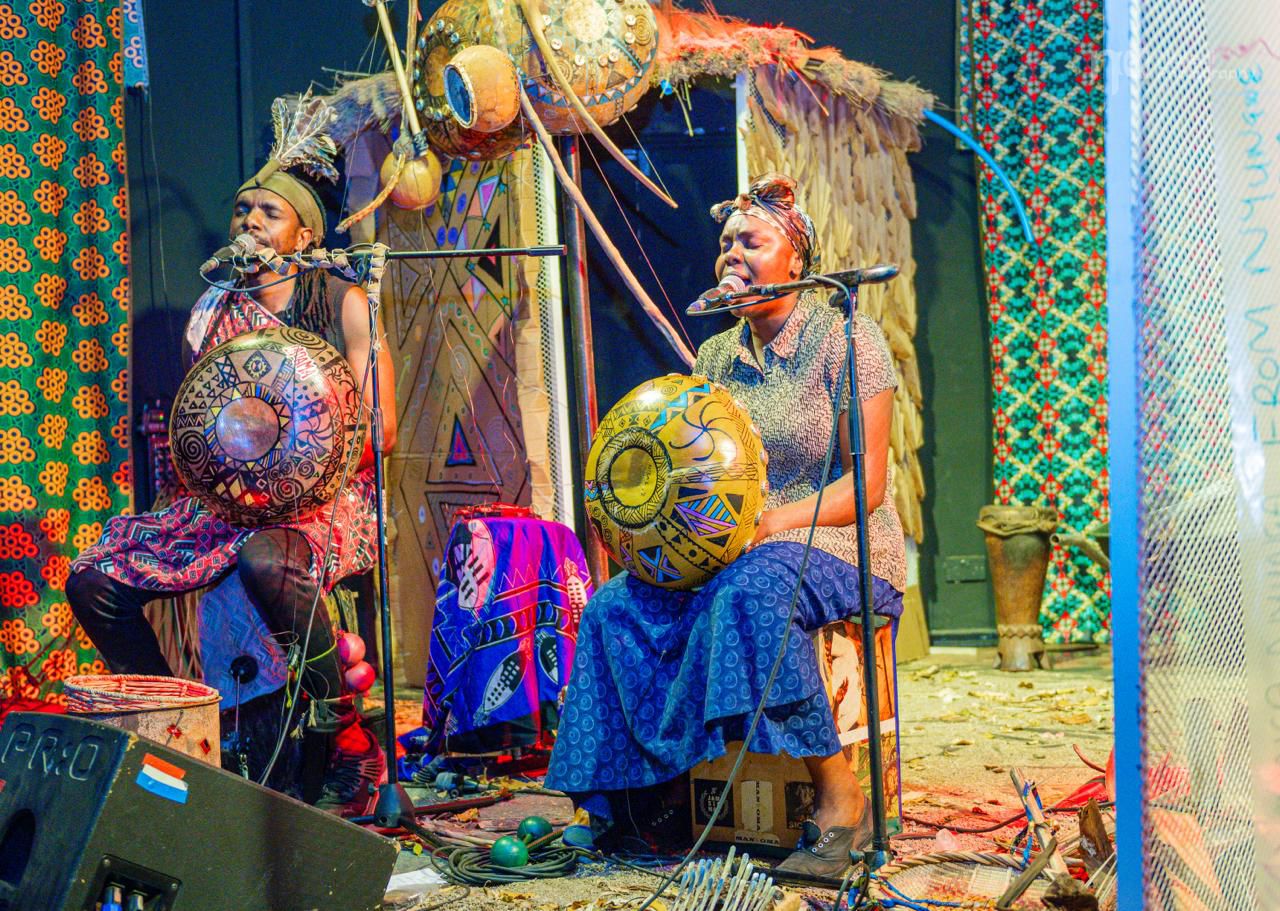
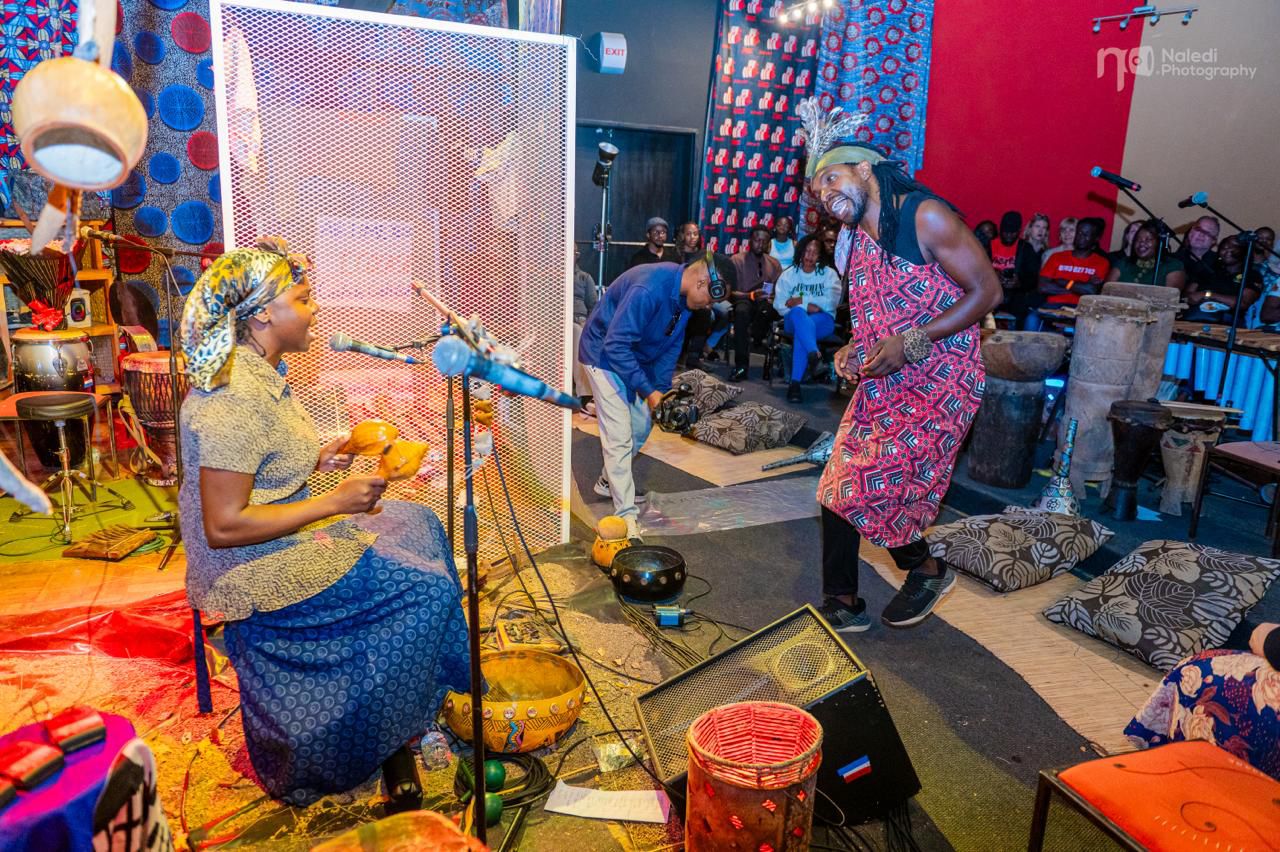
Mangoma and I share a deep love for the instruments that carry these memories. In this production we weave together Mbira, Varimba, Chitende, Chigufe, Ngoma, Hosho, Ngororombe, Umqangala, and folk vocals. Together they create a soundscape that moves gently between past and present. Many of these instruments were once discouraged or silenced during the colonial era, yet they survived. Today they continue to speak in vibrant and unapologetic ways.
More than anything, this project is about cultural resilience.
Indigenous music has endured despite attempts to suppress it. It has adapted, travelled, and transformed, but its spirit remains intact. Through this performance we invite audiences to reflect on their own journeys. Where they come from, what has been lost along the way, and what can still be reclaimed.
Because no matter how far we travel, the village remains within us.
It is a place of memory.
A place of healing.
And always a place we can return to.